

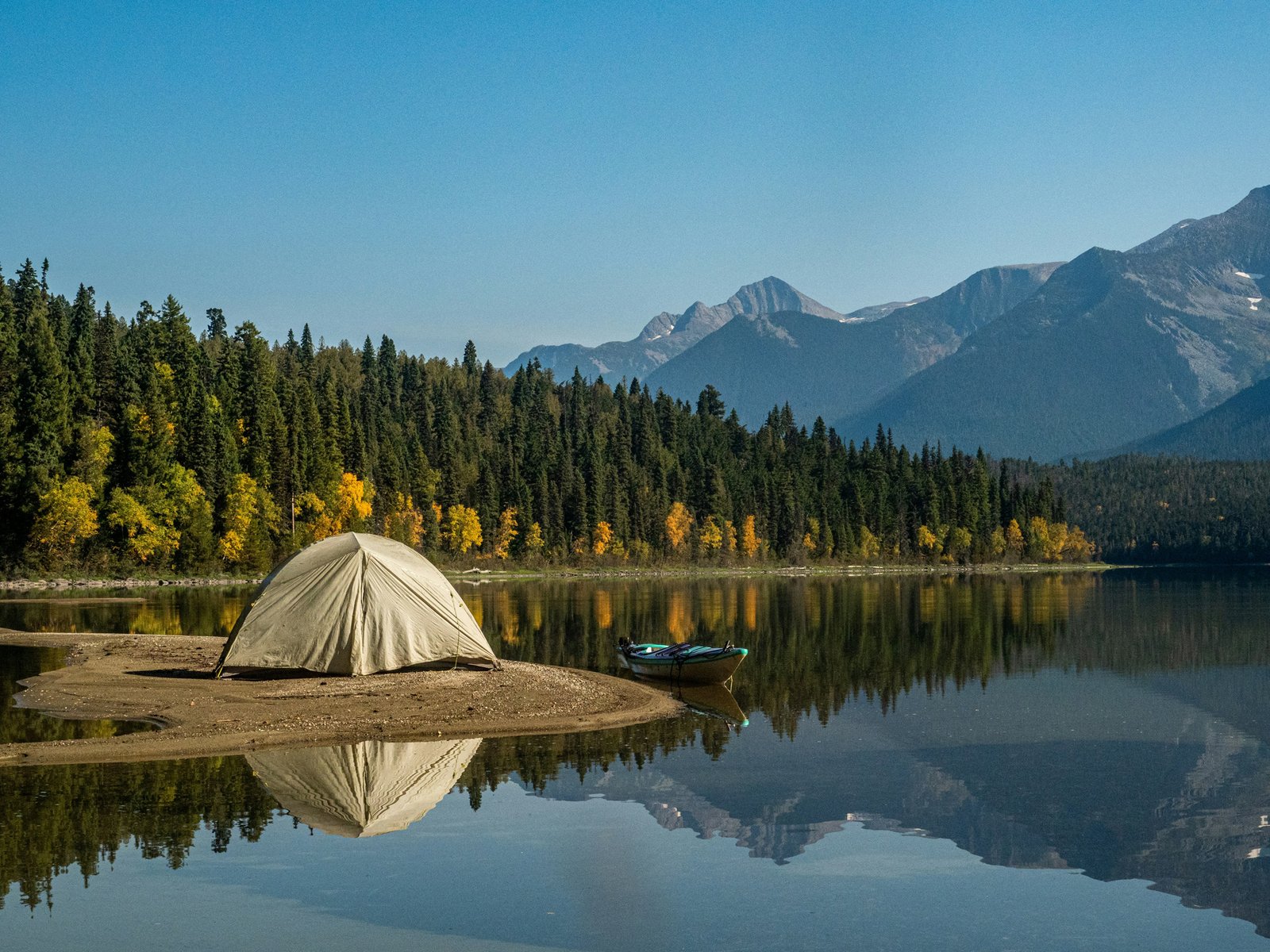
September and October hand boondockers the best weather and the emptiest sites of the year — right up until the sun drops and the temperature falls with it. Here’s the fall boondocking prep that keeps a perfect afternoon from turning into a miserable 2 a.m.
Somewhere around mid-September, the boondocking calendar quietly flips on you. The days are still warm enough for a T-shirt at the picnic table, the crowds have thinned out to almost nothing, and the light turns that gold color that makes every campsite look like a postcard. Then the sun drops behind the ridge at 6:45 instead of 8:30, and forty minutes later you’re digging through a bin for a jacket you haven’t needed since March. A 75-degree afternoon sliding into a 38-degree night isn’t unusual in shoulder season — it’s the norm across most of the boondocking West from now through October — and it catches more experienced campers off guard than almost any other seasonal shift. Fall boondocking prep isn’t complicated, but it has to happen before the first cold night, not during it.
The rig you ran all summer was built around one problem: shedding heat. Fall boondocking asks it to solve the opposite problem, often on the same day, and a lot of the gear and habits that worked in July just don’t translate without a few deliberate changes.
Why the Swing Catches People Off Guard
Summer boondocking punishes you slowly — heat builds over hours, and you feel it coming. A shoulder-season cold snap works differently. Clear, dry fall air that makes for gorgeous stargazing also means almost nothing holds heat overnight; without cloud cover or humidity to trap warmth, temperatures can drop 35 to 40 degrees between a 3 p.m. high and a 4 a.m. low. That swing is exactly why so many boondockers get caught with a summer-weight sleeping bag, a propane heater they haven’t tested since last winter, or a fresh water line they never gave a second thought to freezing.
The fix starts with actually testing your heat source before you need it, not out on a dark forest road at nine at night. Fire up the furnace or catalytic heater at home, listen for a clean ignition, and confirm the battery draw hasn’t crept up since spring — furnace blower motors are one of the more common things to fail quietly over a summer of disuse. If you’re relying on a portable propane heater, check that it still has an oxygen-depletion sensor that works and crack a vent before you ever run it inside a closed rig overnight.
The Overnight Systems People Forget
Condensation is the part of fall boondocking prep that surprises people the most. A closed-up rig with two people breathing, a propane heater running, and cold glass on the other side of every window turns into a humidity trap fast — and by morning that shows up as water beading on the ceiling, foggy windows, and a damp sleeping bag if it’s touching the wall. Crack a roof vent an inch even on a cold night, run a small fan to keep air moving, and wipe down windows before you turn in if condensation has already started. It’s a five-minute habit that prevents a much bigger mold and moisture problem down the road.
Water lines deserve a second look too. A single hard freeze overnight can split a fitting or crack a pump housing that was fine all summer, and shoulder season is exactly when people forget to check because it still feels like camping weather during the day. If overnight lows are forecast anywhere near freezing, disconnect and drain an exterior hose, let a faucet drip if your system allows it, and know where your low-point drains are before you need them in the dark.
Adjust the Daily Rhythm, Not Just the Gear
Shorter days change the math on solar, too. A panel that kept a battery bank topped off on sixteen hours of July daylight is now working with eleven or twelve, and a lower sun angle means even midday charging is weaker than it looks. That means front-loading power-hungry chores — running the inverter, charging devices, doing anything electric — into the window around solar noon instead of assuming the panels will catch up later like they did all summer.
Layering habits matter as much as gear here. The boondockers who handle shoulder season well tend to dress for the coldest hour of the night, not the current temperature, and keep a warm layer within arm’s reach of the bed rather than buried in a bin. It sounds obvious until you’re the one standing outside at 4 a.m. in a T-shirt, trying to remember which cabinet the fleece is in.
The Payoff Is Worth the Prep
None of this fall boondocking prep is complicated, and none of it takes more than an hour before a trip. What it buys is the actual reward of the season: empty sites that held six rigs in August now holding one, aspen color at elevation, cool mornings for coffee instead of sweat, and nights clear enough to see the Milky Way without a single generator running three sites over. The boondockers who skip the prep are the ones posting about a frozen water line or a sleepless, shivering night in the forums come October. The ones who spend the hour now are the ones who actually get to enjoy the best stretch of the boondocking calendar instead of just surviving it.
Fall doesn’t ask for much. It just asks you to take the cold nights as seriously as you took the hot days.