

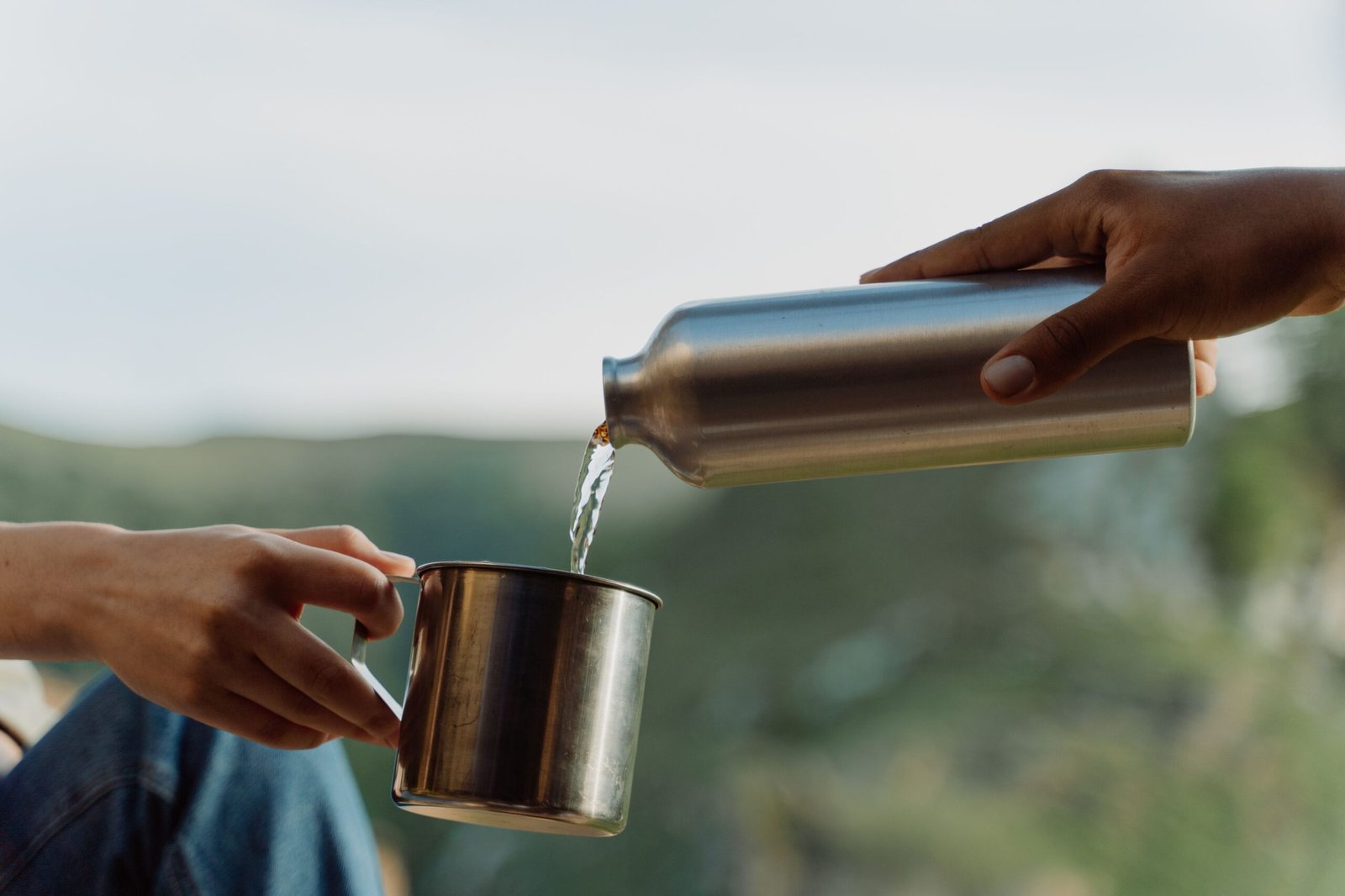
The campsite, the solar, the gear — those you can improvise. Run dry three days from a tap and the trip ends.
Nobody talks about water the way they talk about solar. There are no spec-sheet wars over gallon ratings, no Reddit threads debating 40-gallon tanks versus 50-gallon tanks the way people argue about lithium versus AGM. But water is the harder constraint. Run low on battery power and you dim the lights, skip the coffee grinder, go to bed early. Run low on water and the trip is over — full stop.
Every summer, the dispersed sites in the desert Southwest and the high-basin country of the Northern Rockies fill up with rigs whose owners dramatically underestimated how much water they’d use in heat. And every summer, those rigs pull out earlier than planned, hunting for a fill station, burning a day they didn’t budget for. Don’t be that rig. Water planning isn’t glamorous, but it’s the skill that separates a ten-day run from a four-day tease.
Count Honest Gallons
The standard rule of thumb is one gallon per person per day for drinking and cooking. That number is technically survivable and practically miserable. In summer desert heat — ambient temperatures above 90°F, physical activity, elevation — realistic water consumption runs closer to 1.5 to 2 gallons per person per day just for drinking and food prep. Add washing hands, rinsing dishes, a quick wipe-down at the end of a dusty day, and you’re closer to 3 gallons per person per day for a comfortable, sustainable camp.
Do that math honestly before you leave the driveway. Two people, ten days: 60 gallons at the comfortable end. That’s not a number a stock camper tank handles. Most truck campers and van builds ship with tanks in the 20- to 32-gallon range. Those tanks work fine for weekend trips and sites within an hour of a fill. For extended summer boondocking, they’re the first thing worth upgrading or supplementing.
Tank Upgrades Versus Auxiliary Storage
The cleanest solution is a larger fresh-water tank, and if you’re building out a rig from scratch or doing a major overhaul, spec the biggest tank your frame and plumbing layout can accommodate. A 50- to 60-gallon primary tank changes the math significantly.
But for most rigs already on the road, adding a dedicated auxiliary tank is faster and more practical. Dedicated auxiliary water tanks — poly tanks, stainless steel day tanks, or collapsible bladder systems — can be mounted in truck beds, on cargo decks, or strapped to exterior racks. They feed into your primary system with a manual transfer pump, a 12V pump, or gravity depending on mounting position. A 25-gallon auxiliary tank bolted into a truck bed is a weekend project, costs under $200 in materials, and effectively doubles most rigs’ range.
What to avoid: the five-gallon jug shuffle. Carrying eight separate five-gallon jugs in various corners of the rig seems flexible until you’re trying to transfer water through a funnel in a crosswind at 100 degrees. Dedicated plumbed storage, even if it’s a simple auxiliary tank on a bulkhead, saves time, reduces spill risk, and keeps your water cleaner.
Know Your Sources Before You Go
Resupply planning starts at home, not when the gauge hits a quarter tank. Before any extended run, I mark every confirmed water source on a downloaded offline map: Forest Service campgrounds with spigots, BLM field offices, small-town gas stations with outdoor spigots, and RV-friendly towns with potable water access. I also note which of those are seasonal — a lot of campground spigots don’t come on until late May or turn off after Labor Day, and that information is buried in ranger district bulletins if it’s published at all. A quick call to the local ranger district before you leave takes five minutes and saves a blown day.
iOverlander and Campendium both have community-sourced water location data and are worth cross-referencing with your route. Don’t rely on any single app — verify with a second source or a direct call for anything remote. Water sources that were reliable three summers ago may be shut down, contaminated, or simply gone.
Heat Changes Everything
Summer heat doesn’t just increase your consumption — it compresses your timeline. Water left in a dark tank in a hot rig climbs in temperature and can develop bacteria faster than in cooler conditions, especially in older tanks or tanks that don’t flush fully. Run your tank low before a fresh fill when possible. If you’re using a bladder system, rinse it between fills and store it emptied and dry at trip’s end.
For drinking, a quality filter like the Sawyer Squeeze or a gravity drip system adds a layer of insurance on any water whose source you’re not 100% certain about. It’s not about paranoia — it’s about having a margin when the fill station you counted on is padlocked.
The best-equipped boondocker in the lot is useless if their rig is bone dry. Plan the water first, and everything else builds on that foundation.