

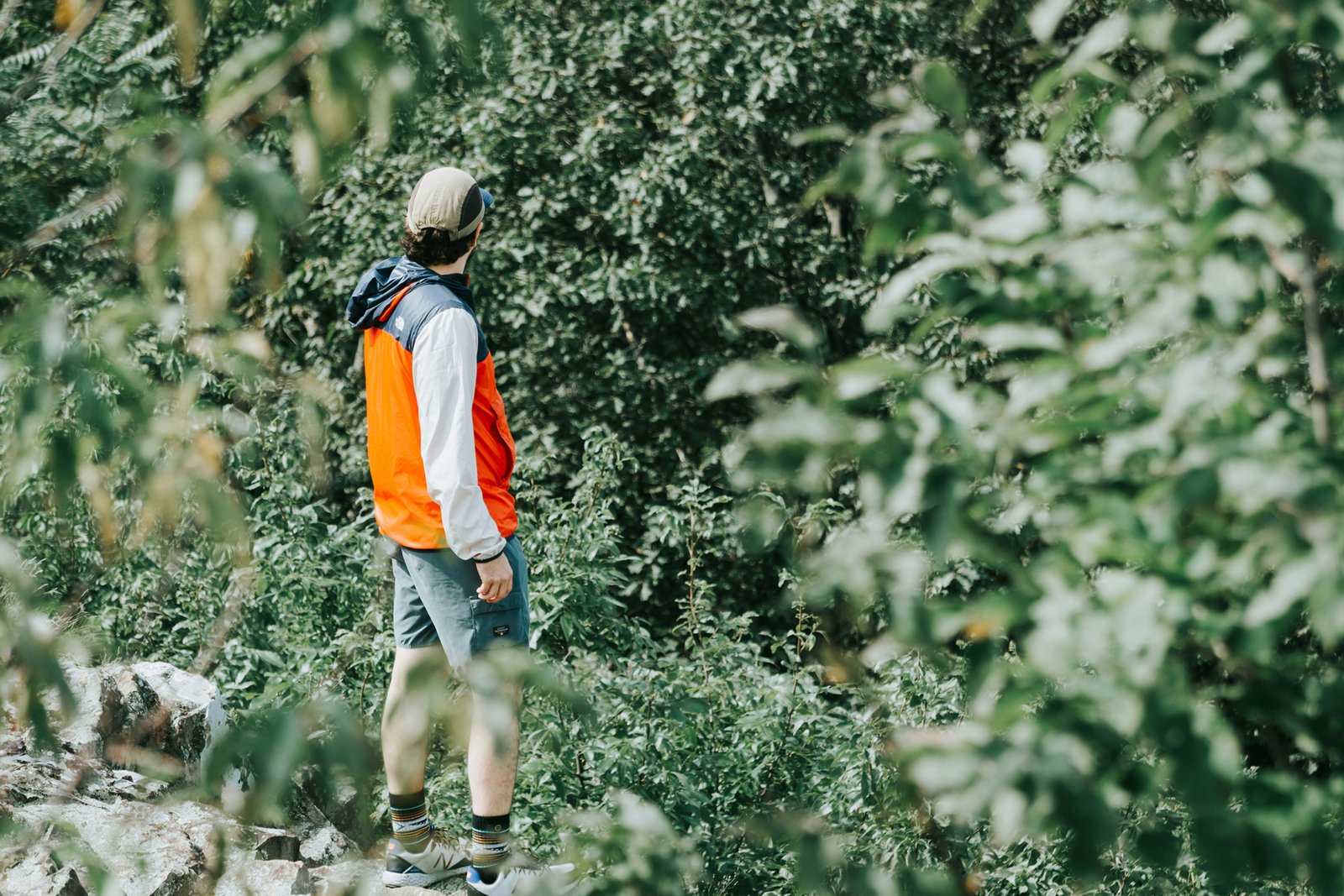
Rifle and archery seasons are opening across the West right now, and the same forest roads and dispersed sites boondockers have had mostly to themselves all summer are about to fill up with a different crowd. Here’s how to share public land with hunters without a close call — or an awkward one.
Every September, the same thing happens on the same BLM loops and forest service roads that boondockers have quietly claimed all summer: trucks with rifle racks start showing up before dawn, camo-clad hikers appear out of the sagebrush at first light, and a site that’s been empty since June suddenly has three rigs in it and a wall tent going up next door. Hunting season boondocking isn’t a separate activity from regular dispersed camping — it’s the same public land, the same roads, and often the same week, just with a second user group that has different priorities, different hours, and in some cases, live ammunition.
This isn’t a reason to stay home. Millions of acres of BLM and national forest land support both dispersed camping and hunting every fall, and the two communities share it successfully every season. But it does mean adjusting a few habits, because the boondocker who treats late September through November like just another quiet month is the one who ends up parked in the middle of someone’s hunt, or worse, mistaken for game.
Know Before You Go
The single biggest mistake is not checking season dates before rolling out. Archery, rifle, and muzzleloader seasons for elk, deer, and other big game vary by state, unit, and even by specific game management area, and they don’t all open the same week. A quick check of your state’s fish and wildlife website for the district you’re headed to takes five minutes and tells you whether you’re driving into opening weekend of rifle season or a quiet gap between hunts. Many state agencies also publish interactive maps showing which units are open on which dates — worth bookmarking if you boondock the same general region every fall.
It’s also worth checking with the local Forest Service or BLM field office directly, especially before a multi-day trip. Some agencies implement temporary road closures or restrict certain areas during peak hunting weekends specifically to reduce vehicle traffic and give hunters room to work, and a closure notice at a forest boundary is not optional reading — it’s often the difference between a fine and a fine trip.
Be Seen, Even If You’re Not Hunting
Blaze orange isn’t just a hunter’s uniform during rifle season — it’s basic visibility gear for anyone walking, hiking, or letting a dog off leash on public land during open season. A hunter glassing a hillside at dawn or dusk, the two times visibility is worst and shots are most often taken, needs to be able to tell a person from a moving animal at distance, and dark or earth-toned clothing works against that. An orange vest or hat costs less than a tank of propane and takes the guesswork out of the equation entirely. The same logic applies to dogs — an orange bandana or vest on a dog running ahead on a trail matters just as much as it does on a person.
Setting up camp with hunting season in mind also means thinking about where the rig sits relative to open terrain. A site tucked into trees or brush is less visible to a hunter scanning a ridge than one parked in an open meadow, and campfire smoke or a generator running at odd hours can telegraph your location in ways that either draw hunters toward you looking for information, or push game away from where someone else has been quietly waiting for hours.
Camp Etiquette Goes Both Ways
Hunters up before dawn and boondockers running a generator at 6 a.m. for coffee are going to have friction if nobody talks about it, and the fix is usually a two-minute conversation rather than a confrontation. If a hunting camp sets up near you, a friendly hello and a quick “let us know if we’re in your way” goes a long way — most hunters are just as interested in a quiet, low-conflict week as you are, and they know the terrain better than a passer-through will. The reverse is true too: hunters camping near a boondocking site should expect trucks coming and going, dogs, and normal camp noise, since dispersed camping doesn’t come with reserved quiet hours either.
Respect any temporary camps, tree stands, or gear caches you come across, even ones that look abandoned. A ladder stand strapped to a tree or a game camera zip-tied to a fence post represents real time and money invested by someone who has just as much right to be there as you do, and moving or disturbing that gear — even with good intentions — creates exactly the kind of conflict that makes agencies consider tighter access rules for everyone.
Sharing the Season
None of this makes hunting season a reason to avoid boondocking through fall — if anything, the cooler temperatures, changing colors, and thinned-out crowds from summer make late September through November one of the best stretches on the calendar. It just means treating the land as genuinely shared for a few months, rather than assuming it’s still the quiet solo spot it was in July. Check the dates, wear the orange, talk to your neighbors, and the same public land that felt crowded with a different kind of camper in August will feel plenty big enough for everyone come October.
The forest doesn’t clear out for hunting season. It just changes who else is using it — and for a few good months every fall, that’s a trade worth making.