

Most people picture boondocking failures as something dramatic—storms, getting stuck, or running out of fuel miles from anywhere. That’s not how it usually happens.
Trips end early because of small, preventable problems. A dead battery. No water. A tire issue you can’t fix. None of it is exciting, but all of it is common.
If you understand what typically fails first, you can avoid most of it.
Power Is Usually the First Problem
The most common issue isn’t bad equipment—it’s bad expectations.
People assume their solar will keep up, their battery will last longer than it does, or that they can just “be careful” with usage. Then one cold night, or one heavy day of use, drains everything.
Once your power is gone, everything starts to fall apart. Lights, charging, water pumps, even basic comfort.
The fix is simple, but most people skip it:
Know roughly how much power you use in a day. Not exact numbers—just reality. If you’re running lights, charging devices, maybe a fridge, it adds up fast.
Also, don’t rely on a single source. Solar is great, until it isn’t. Cloud cover, shade, or short winter days will cut output hard. You need a backup plan—vehicle charging, generator, or additional capacity.
Water Runs Out Faster Than You Think
Everyone underestimates water.
It’s not just drinking—it’s dishes, cleaning, basic hygiene. Even being conservative, it disappears quickly. And once it’s gone, your trip is effectively over.
A lot of people carry one main tank and call it good. That’s a mistake.
Backup water isn’t optional. Even a few extra gallons can mean the difference between staying another day or packing up early.
Also, small issues like loose fittings or minor leaks become big problems off-grid. What would be an inconvenience at home becomes a trip-ending issue when you’re miles out.
Tires Are the Real Trip Killers
Flat tires don’t sound like a big deal—until you’re on a rough forest road with limited access and no help coming.
Punctures are common. Sharp gravel, debris, and rough terrain make it worse, especially with heavier setups. Sidewall damage is even worse, and not always repairable.
Most people carry a spare and think they’re covered. That’s only part of it.
A basic plug kit and a portable compressor are far more useful in real-world situations. A simple puncture can be fixed in minutes—if you’re prepared. If not, you’re stuck.
Also, pushing deeper down questionable roads is where people get into trouble. “Just a little farther” is how most tire problems start.
Cheap Gear Fails Quickly
It’s not the big gear that usually breaks first—it’s the small stuff.
Cheap headlamps stop working. Connectors fail. Chairs break. Cables wear out. Individually, none of these seem critical, but they add up fast and start affecting your entire setup.
You don’t need the most expensive gear, but the items you use daily should be reliable. Lighting, power connections, and basic tools matter more than most people think.
Testing gear before a trip also eliminates a lot of problems. If something is going to fail, better it happens at home than in the middle of nowhere.
Setup Mistakes Ruin Comfort Fast
A bad campsite setup doesn’t seem like a big deal—until you try to sleep on an angle or your fridge stops working properly.
Uneven ground affects more than comfort. It can impact how your equipment performs and how well you rest. And once you’re settled in, most people don’t want to move, even if they should.
Taking a few extra minutes to choose a better spot makes a big difference. Level ground, good positioning, and a little patience go a long way.
Food and Trash Become a Problem
Animals are not a rare occurrence. They’re guaranteed.
Leaving food out, even briefly, or not managing trash properly will attract attention. Raccoons, smaller animals, and in some areas larger wildlife, will get into anything they can.
Once that happens, you’re dealing with a mess at best, and a bigger issue at worst.
A simple, sealed system for food and trash prevents most of this. It’s not complicated, but it’s something a lot of people ignore until it becomes a problem.
Lighting Is Always an Afterthought
Most people assume they’ll arrive, set up, and be done before dark.
That doesn’t always happen.
Arriving late without proper lighting turns a simple setup into a frustrating mess. It also increases the chance of mistakes and injuries.
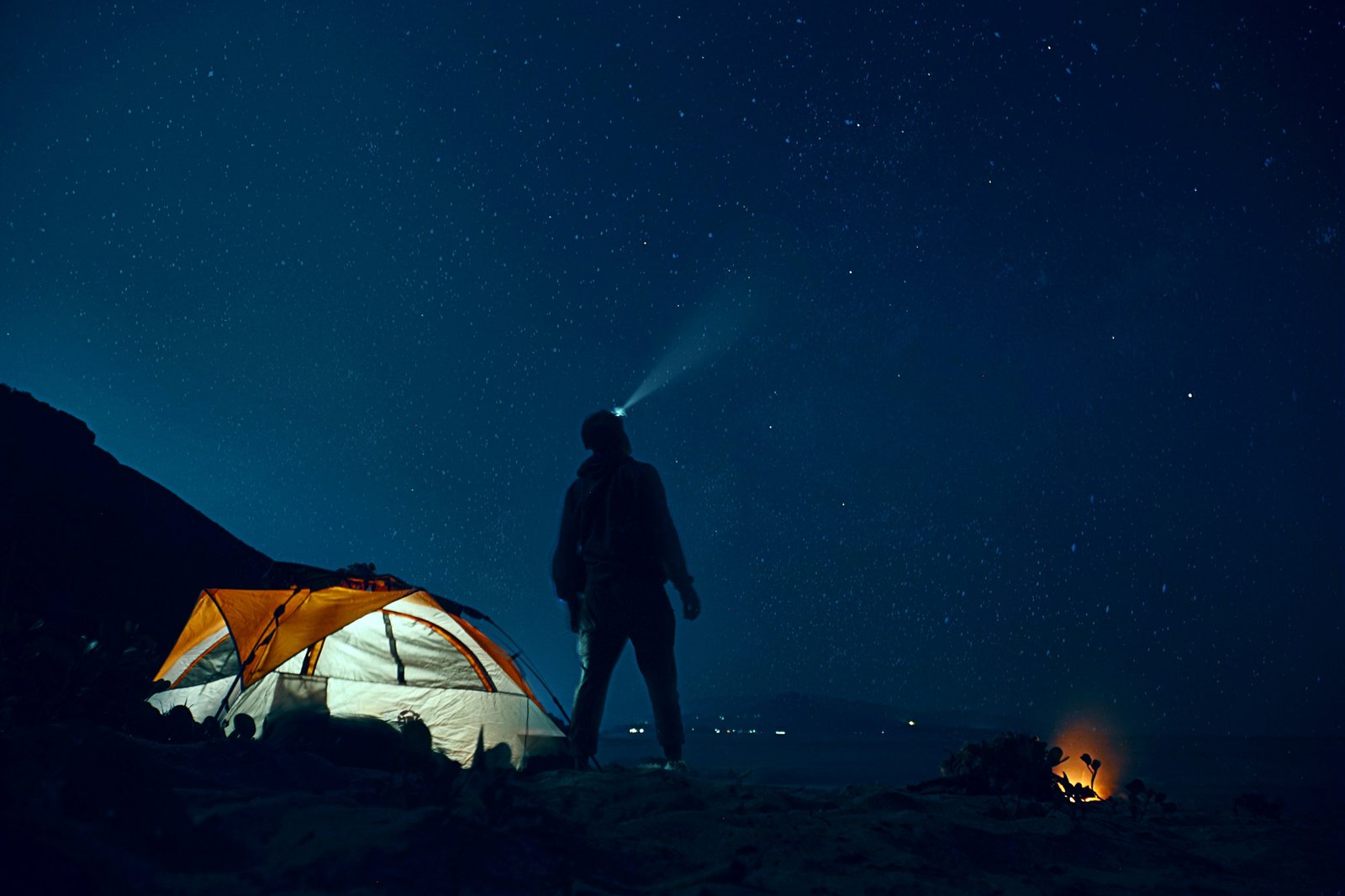
A headlamp that’s easy to access—not buried in your gear—solves most of this. Having a couple of reliable light sources makes a big difference when things don’t go as planned.
The Bottom Line
Boondocking doesn’t fail because of one big event. It fails because small problems stack up.
Power, water, tires, and basic gear are where most issues start. If you manage those well, everything else becomes easier.
You don’t need more gear.
You need fewer weak points.
Handle the basics properly, and most trips go exactly as planned.