

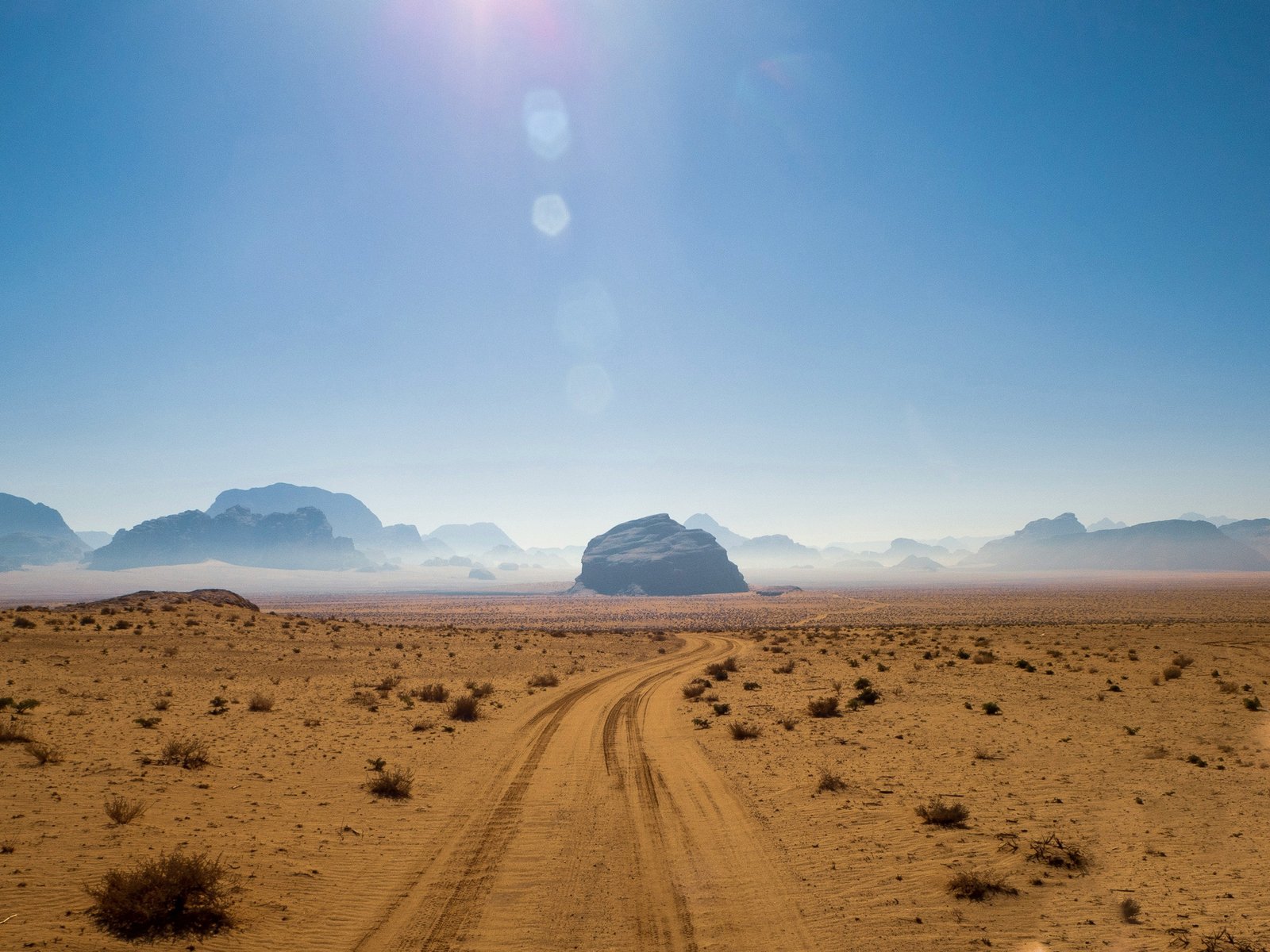
You won’t find these people on the campground reservation website. But drive far enough down the right dirt road, and you’ll know them when you see them.
There’s a gesture that every serious boondocker knows. You’re rolling down a two-track, coming around a bend, and there’s another rig parked off to the side — a truck camper, an overland build, an older van with a solar panel bolted to the roof. The driver gives you a slow raise of two fingers off the steering wheel. You return it. Nothing more is exchanged, but something real just passed between you.
That’s the nod. And if you’ve been living this life for more than a season, you’ve probably given it a hundred times without thinking about it. It’s the shorthand for: I’m not here to trash this place. Neither are you. We understand each other.
With the Fourth of July weekend nine days out — the single most pressure-packed week on public lands all year — it’s worth talking about what that nod actually means, and what the boondocking community is quietly doing to hold things together when everyone else rolls in with a generator and a case of Coors.
The Invisible Infrastructure
No app built the boondocking community. No organization chartered it. It grew the way trails grow — through repeated use by people who knew what they were doing.
It shows up in small ways. Someone takes the time to collapse a fire ring that was getting too large. Someone packs out a bag of trash that wasn’t theirs. Two rigs that arrive to the same flat spot figure out spacing without a word — one pulls forward, angles out, leaves room. It’s not altruism exactly. It’s more like shared ownership of something that doesn’t belong to either of you.
The intel-sharing networks are part of it too. The forums, the Gaia tracks, the iOverlander waypoints — but more than any of that, the conversations between strangers at a shared water cache or a trailhead parking lot. “Saw a decent flat up the drainage about four miles, but the road gets rocky.” “There’s a spring at the end of the ridge, but it’s seasonal — might be dry by now.” That information passes from mouth to mouth the same way fire-building techniques used to.
Most of the people giving it out have never met each other before and will never meet again.
What Fourth of July Week Tests
Here’s the honest reality of late June and early July: the dispersed camping spots that have been quiet all spring are about to get found. Not by your people — or not only by your people. By people whose entire experience of camping is a reservation-based campground, who have never heard the phrase Leave No Trace in a context that made it feel personally relevant, who pack in a thousand pounds of stuff and leave a hundred pounds of it.
The pressure is real. Sites that looked pristine on Memorial Day can look like a festival grounds’ aftermath by the middle of July if the wrong crowds discover them. Rangers document it. Closures follow.
The boondocking community’s answer to this problem isn’t gatekeeping. It’s presence. Quietly holding the line by being there — setting an example with a clean site, a small fire, a tidy camp, and a truck pointed the right way when it’s time to leave. Sometimes it’s saying something to the group next door when the fire ring they built is the size of a hot tub. Usually, it’s just being the version of the thing you want to see more of.
Finding Your People
If you’re newer to the boondocking world and haven’t yet found your community, Fourth of July weekend might actually be a decent time to look. The people who are out there right now — who planned their routes months ago to avoid the crowds, who know which BLM roads go where — those are your people. They’re not hard to identify. They’re the ones camped the farthest in. They’ve got the well-worn gear. They’re probably reading a book.
Talk to them. Ask where they’ve been. Most serious boondockers are happy to share what they know with someone who’s clearly out there for the right reasons. The community sustains itself by bringing new members into its norms, not by keeping them out.
The nod on the two-track is just the entry point. What follows it — the shared knowledge, the quiet stewardship, the unspoken agreement to leave things better — that’s the actual thing.
It doesn’t have a name or a membership fee. It just has a set of habits. And out here, habits are everything.