

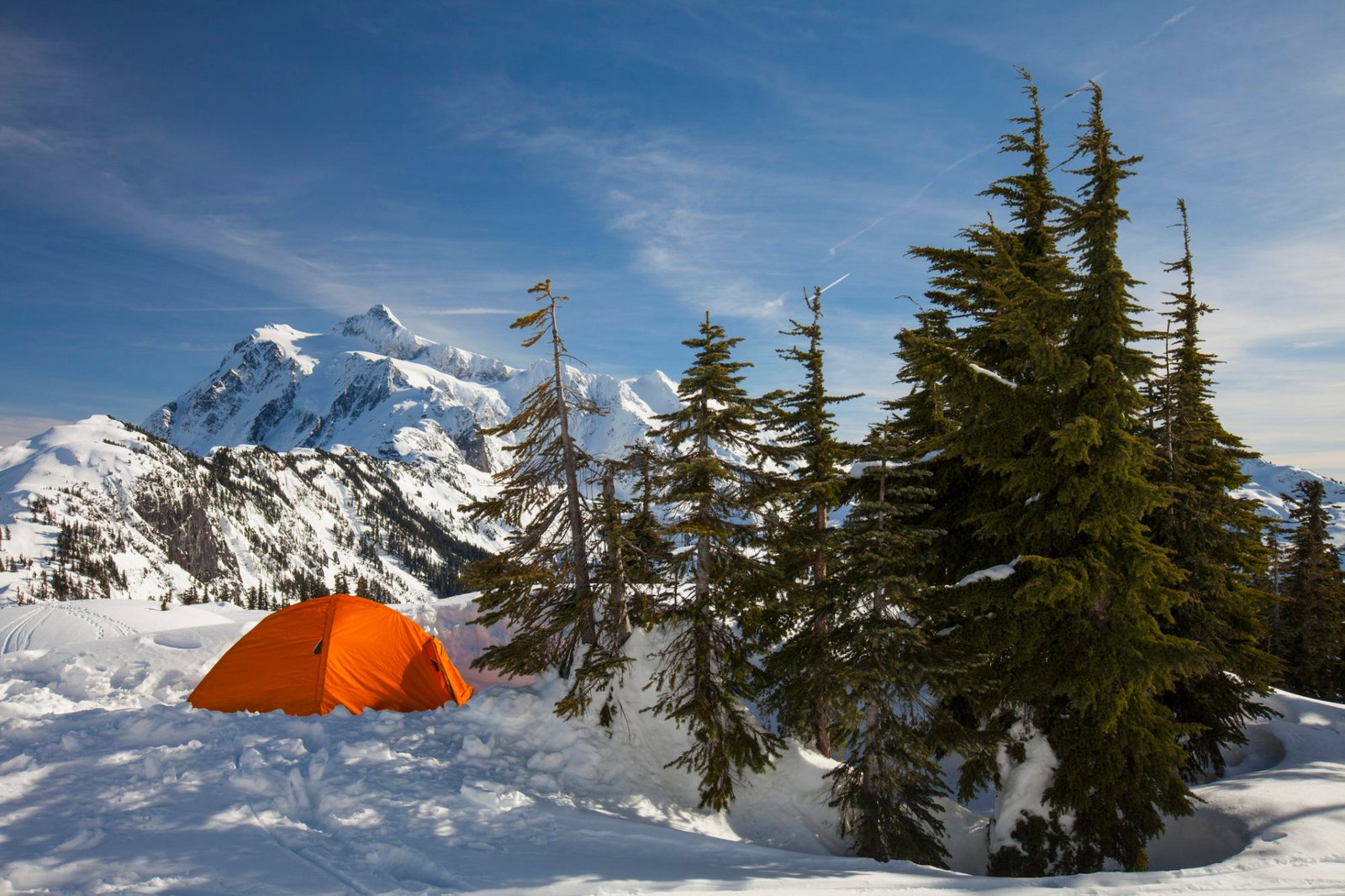
Winter boondocking wasn’t something I set out to master — it was something I grew into out of necessity, curiosity, and a desire to see what camping looks like when convenience is stripped away. Spending real nights off-grid in cold conditions changes your relationship with gear, with planning, and with the places you camp.
This article isn’t about technique or instruction. It’s about what winter quietly teaches you — lessons that carry forward long after the snow melts. Once you experience that shift, warm-weather camping feels different, and in many ways, better.
— Paul Beroff Editor, Boondocking Magazine

In summer, it’s easy to overpack, overcomplicate, and rely on convenience.
Winter doesn’t allow that.
Every action matters more:
- Opening a door
- Running water
- Turning on a light
- Leaving something outside “just for a minute”
Winter teaches discipline. That discipline carries forward into every other season.
You Stop Chasing Gear and Start Respecting Systems
Winter exposes weak links quickly.
A heater that cycles poorly.
A battery setup that looked fine on paper.
A layout that wastes heat.
Instead of adding more gear, experienced winter boondockers simplify:
- Fewer failure points
- Smarter layouts
- Purpose-driven equipment
Come summer, that same rig feels effortless.
Silence Becomes Part of the Experience
Crowded campgrounds teach campers to tolerate noise.
Winter teaches them to notice silence.
Snow absorbs sound. Wildlife moves differently.
Even your own routines slow down.
After that experience, busy summer campgrounds feel louder — and less appealing.
Comfort Becomes Internal, Not External
Winter boondocking shifts the definition of comfort.
It’s no longer about:
- Space
- Amenities
- Convenience
It’s about:
- Warmth
- Reliability
- Trust in your setup
That mindset stays with you, even when temperatures rise.
You Camp With Intention, Not Momentum
Winter doesn’t reward rushed travel or late arrivals.
You plan daylight better.
You choose locations more carefully.
You stop moving just to move.
By spring, that intentional approach becomes second nature.
Final Thoughts
Winter boondocking isn’t a phase — it’s a reset.
It teaches restraint, awareness, and respect for conditions.
And once you experience it, warm-weather camping never feels quite the same again.
You don’t need winter to camp —
but winter will teach you how to camp.