

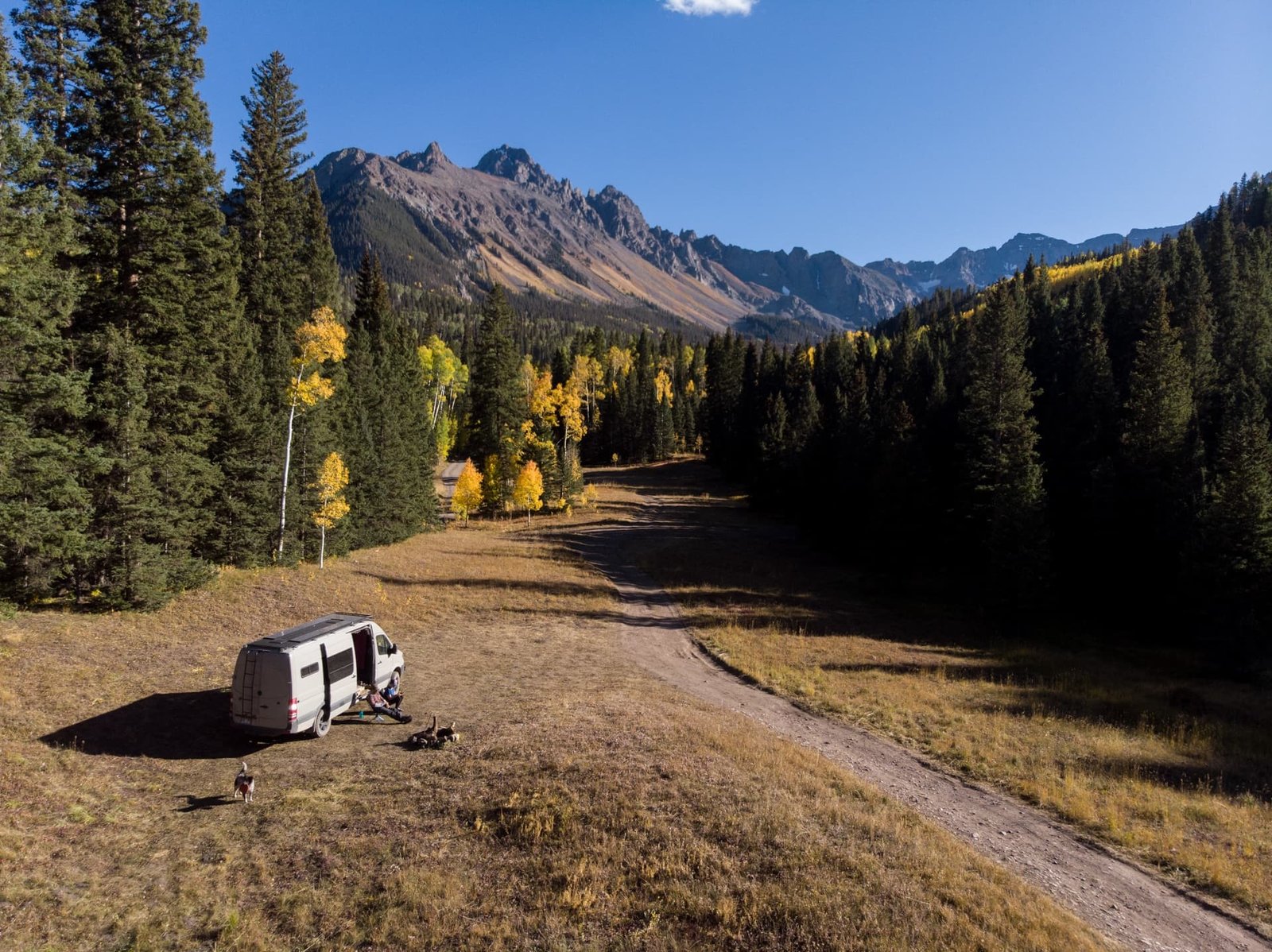
Boondocking is one of the most rewarding ways to camp — quiet nights, open space, and the freedom to choose your own view. But finding good boondocking spots isn’t about luck. It’s about understanding land rules, knowing where to look, and recognizing when to walk away.
This guide covers the practical, repeatable process for finding legal, quiet boondocking locations — whether it’s your first off-grid night or your hundredth.

What “Boondocking” Really Means (Legally)
Boondocking generally means camping outside developed campgrounds with no hookups. That doesn’t mean “anywhere you want.”
Legal boondocking typically happens on:
- National Forest land
- BLM (Bureau of Land Management) land
- Certain state trust lands
- Private land (with permission)
Illegal boondocking happens when:
- You camp on posted “No Overnight” land
- You block roads, gates, or trails
- You overstay time limits
- You assume “remote = allowed” (it doesn’t)
Understanding land ownership is the foundation of everything that follows.
The Three-Step Process That Actually Works
1️⃣ Start With Public Land — Not Satellite Views
Satellite imagery is helpful, but land designation matters more than how good a spot looks.
Start by identifying public land boundaries:
- National Forests
- BLM parcels
- State-managed land (rules vary)
Only after you confirm land status should you look for clearings, pull-offs, or dispersed sites.
2️⃣ Use Apps — But Don’t Trust Them Blindly
Apps are tools, not guarantees. They show patterns, not permissions.
Commonly used apps include:
- onX Offroad – excellent for land ownership layers
- Gaia GPS – strong route planning and overlays
- iOverlander – real user reports (use with caution)
Best practice:
Cross-reference at least two sources and always verify with signage when you arrive.
Apps may show:
- Outdated access
- Spots closed seasonally
- Locations ruined by overuse
Treat pins as leads, not destinations.
3️⃣ Scout First — Commit Second
The best boondockers don’t rush to set up.
When you arrive:
- Stay in the driver’s seat
- Look for signage (even small or faded)
- Check turnaround space
- Listen for road noise
- Note wind exposure and drainage
If anything feels questionable — move on.
Experienced boondockers leave a lot of “almost perfect” spots behind.
Common Mistakes That Ruin Trips (and Get Areas Closed)
Avoid these, and you’ll avoid most problems:
- Camping too close to roads or water
- Staying longer than posted limits
- Ignoring fire restrictions
- Leaving trash or visible impact
- Sharing exact locations publicly
- Assuming last year’s rules still apply
Many closures happen because of repeated small violations — not big ones.
How to Find Quiet Spots (Not Just Legal Ones)
Legal doesn’t always mean peaceful.
To find quieter camps:
- Travel farther down secondary forest roads
- Avoid spots within 1–2 miles of pavement
- Skip places with obvious fire rings every 20 feet
- Camp mid-week when possible
- Avoid social-media famous locations
If a spot looks Instagram-perfect from space, expect company.
Regional Challenges You Should Know About
Some regions require extra planning:
Florida
- Very limited public land
- Wildlife management areas have strict rules
- Enforcement is common
Texas Gulf Coast
- Mostly private land
- Beach rules vary by county
- Overnight camping often restricted
Southern California
- Heavy use near cities
- Seasonal closures common
- Stay limits strictly enforced
In these areas, legality matters even more than remoteness.
When to Walk Away (Even If It Looks Great)
Leave if:
- You’re unsure about land status
- Access feels questionable
- You’d block others or emergency vehicles
- The area shows heavy abuse
- Your gut says “this could be a problem”
A quiet night is never worth a knock on the door.
The Boondocking Mindset That Keeps You Welcome
The best boondockers follow three simple rules:
- Leave no trace
- Stay invisible
- Respect time limits
Do that consistently, and public land stays open — for everyone.
Final Thought
Finding good boondocking spots isn’t about secret locations or insider tricks. It’s about patience, respect, and judgment.
The reward?
Quiet nights, open skies, and the kind of camping that reminds you why you started doing this in the first place.