

This article first appeared in the Spring 2026 issue of Boondocking Magazine. Read the full magazine version here:
https://boondockingmagazine.com/digital-edition/
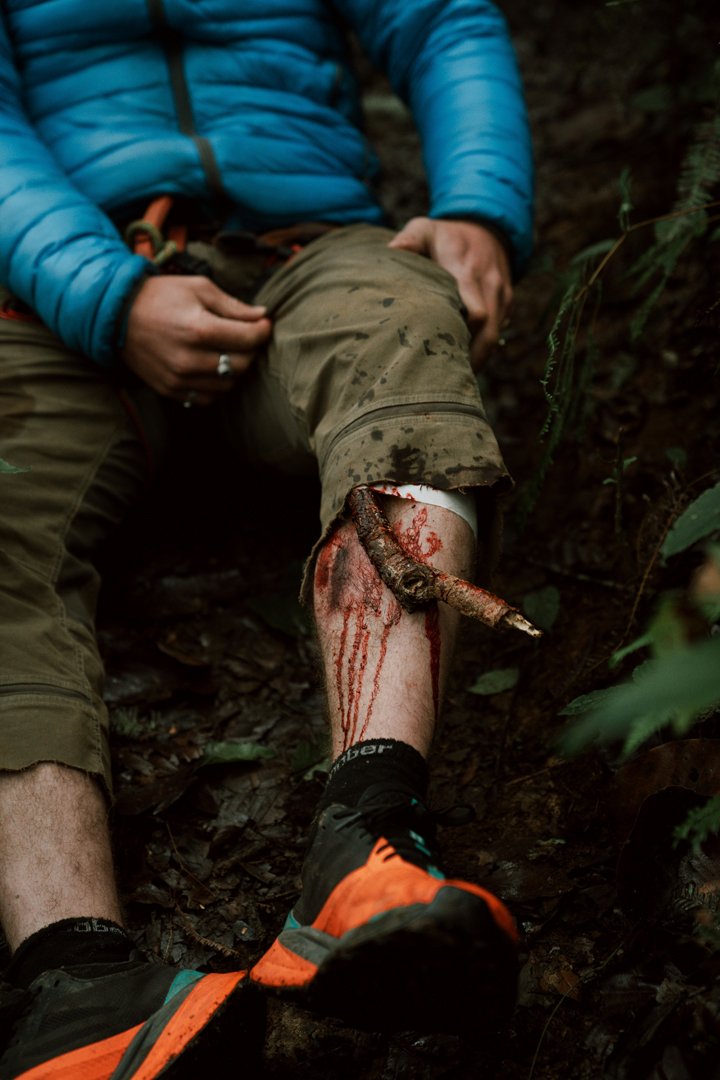
Out in remote country, the biggest risk isn’t always the terrain — it’s time. Specifically, the time between when something goes wrong and when help arrives. That gap can be minutes… or hours… or never, if you’re not prepared.

Boondocking often means limited cell coverage, delayed emergency response, and self-reliance. A simple slip, vehicle breakdown, or medical issue becomes more serious when you’re far from immediate assistance.
Why This Gap Matters
In populated areas:
- Help may arrive in 5–10 minutes
In remote areas: - Response can take 30–60 minutes
- Or several hours
- Or require you to self-evacuate
That difference changes how you prepare.
Most Common Remote Injuries
- Slips and falls on uneven terrain
- Knife or tool injuries
- Burns (campfires, stoves, heaters)
- Dehydration / heat exhaustion
- Hypothermia
- Vehicle-related injuries
None are unusual — but all become more serious without quick help.
What Reduces the Risk
Preparation narrows the gap. Focus on:
- Communication redundancy (not just one device)
- First aid capability beyond basics
- Situational awareness
- Conservative decision-making when alone
- Letting someone know your location
The Reality
You are often the first responder.
Your gear, your training, and your decisions determine the outcome.
Quick Preparedness Checklist
Downloadable version recommended for readers.
Communication
- ☐ Cell phone (offline maps downloaded)
- ☐ Satellite communicator / PLB
- ☐ Extra battery or power bank
Medical
- ☐ Expanded first aid kit
- ☐ Tourniquet
- ☐ Compression bandage
- ☐ Pain relievers
- ☐ Personal medications
Navigation
- ☐ Paper map
- ☐ Compass
- ☐ GPS or offline mapping app
Safety
- ☐ Headlamp
- ☐ Emergency blanket
- ☐ Whistle
- ☐ Multi-tool
Trip Planning
- ☐ Someone knows your route
- ☐ Check-in time established
- ☐ Weather checked